


Around 10% of UK tap water is fluoridated, compared to roughly 70% in the United States. Fluoride has been added to drinking water for over 75 years to help prevent tooth decay — but how did it get there, is it safe, and can you remove it? Here's what the science and the regulators actually say.
A Brief History of Fluoride in Tap Water
In 1901, dentist Dr Frederick McKay noticed that residents of Colorado Springs had teeth that were brown-stained yet remarkably resistant to decay — a condition later named dental fluorosis. Nearly 30 years of research linked this to naturally high fluoride levels in the local water. In 1945, Grand Rapids, Michigan became the first city in the world to deliberately fluoridate its water supply as a public health experiment. Within a decade, tooth decay among the city's children fell by more than 60%, and the U.S. Public Health Service endorsed water fluoridation nationally in 1950.
Is UK tap water fluoridated today?
Today, only around 10% of the UK population receives fluoridated tap water, according to the British Fluoridation Society — mainly in parts of the East Midlands, West Midlands and North East. The decision sits with local authorities, supported by Public Health England guidance. Whether your own water is fluoridated depends entirely on where you live: contact your water supplier to check (see below).
Why Fluoride Was Added to Water
Fluoride strengthens tooth enamel and helps reverse early decay by replacing lost minerals, making it more resistant to the acid produced by plaque bacteria and sugar. The Centers for Disease Control and Prevention (CDC) named water fluoridation one of the ten great public health achievements of the 20th century, and it remains cost-effective: every $1 spent on fluoridation is estimated to save up to $38 in dental treatment costs.
Health Concerns About Fluoride
Fluoride's dental benefits are well established, but it has also drawn scrutiny — particularly around high-level exposure.
- Dental fluorosis — cosmetic discolouration and pitting in children whose teeth are still developing; usually mild.
- Cognitive development — a 2012 review of 27 mostly-Chinese studies (Environmental Health Perspectives) linked high fluoride exposure to lower IQ scores, but most used fluoride levels far above UK/US fluoridation targets. A 2020 U.S. National Toxicology Program review found only a small effect on learning and memory, and only at exposure levels well above what fluoridated tap water provides.
- Skeletal fluorosis and bone cancer — skeletal fluorosis (joint pain and stiffness) is linked to naturally very high fluoride areas, far above municipal fluoridation levels. The National Cancer Institute states most studies find no link between fluoride and osteosarcoma, a type of bone cancer.
- Environmental impact — some environmental groups note that fluoridation adds large volumes of fluoride to wastewater, with potential effects on plants and wildlife.
As with most things, the dose makes the difference: major health authorities consider fluoride safe for children and adults at the levels used in UK and U.S. public water supplies. If you have concerns about your child's fluoride exposure, speak to your dentist or GP.
How Fluoride Levels Are Regulated
In the U.S., the Environmental Protection Agency caps fluoride in drinking water at 4.0 mg/litre to prevent skeletal fluorosis, while the optimal level recommended for preventing tooth decay is much lower, at 0.7 mg/litre. The UK aims for a similar target of around 1 part per million (1mg/l). UK water companies currently required by local health authorities to fluoridate some or all of their supply include United Utilities, Northumbrian Water, Anglian Water, Severn Trent Water and South Staffordshire Water.
The debate continues in the UK, much as it does in the U.S. — some health professionals call for wider fluoridation schemes to tackle child tooth decay, while critics raise concerns about consent, health risks and the now-widespread use of fluoride toothpaste as an alternative.
How to Check If Your Tap Water Is Fluoridated
- Contact your local water supplier directly — UK water companies are legally required to share this information, usually available via your water bill or their website.
- Check their published water quality report, which lists the substances found in your water, including fluoride concentration.
- Test it yourself with a home fluoride testing kit for a quick estimate, or send a sample to a professional lab for an exact reading.
Conclusion
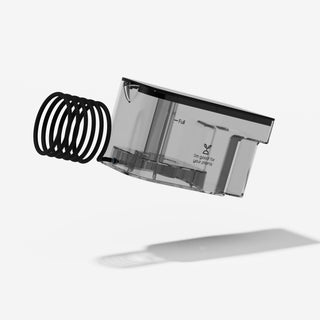
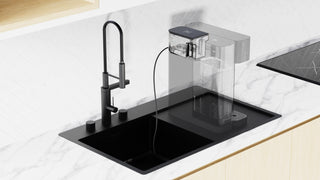
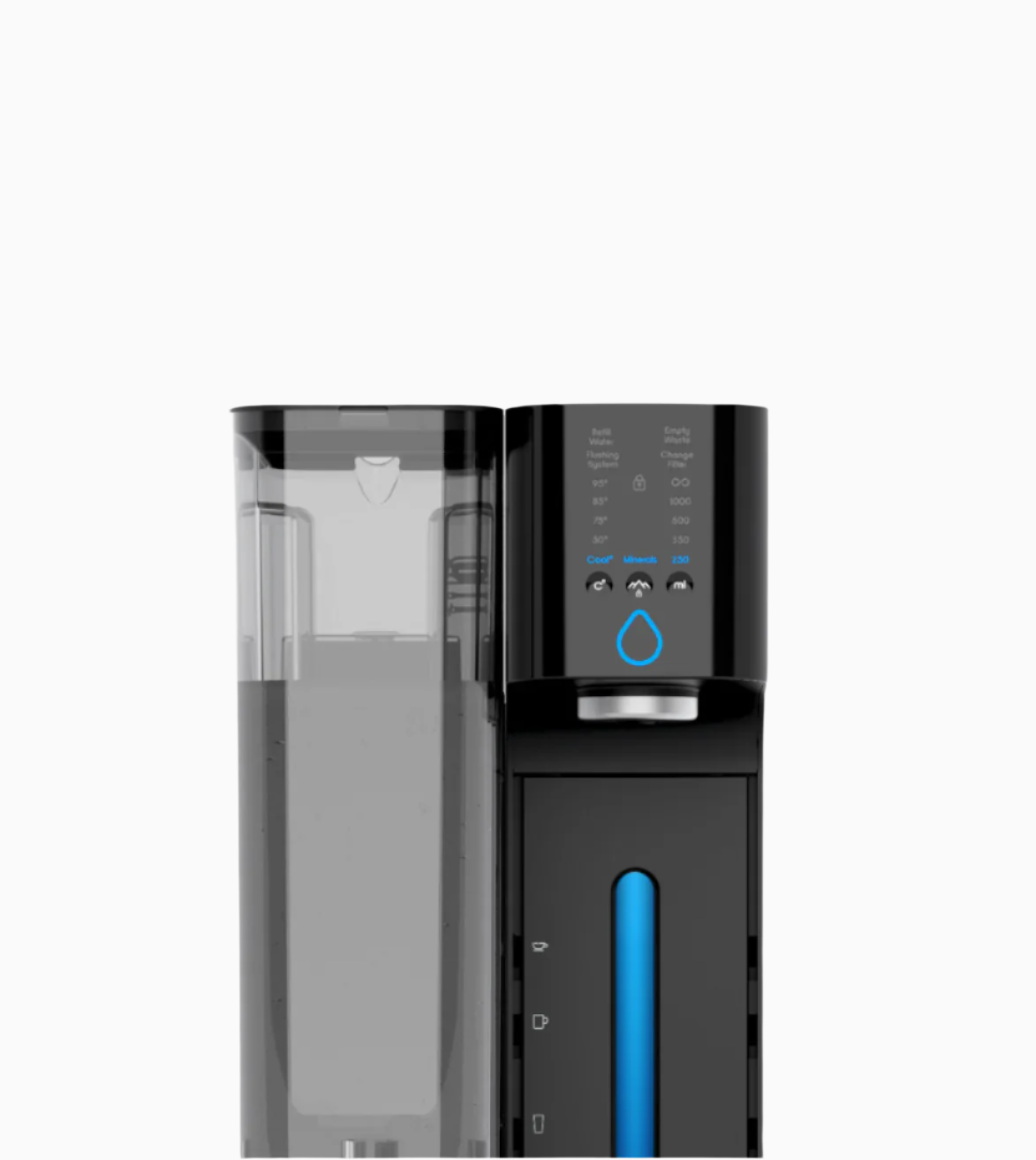
Fluoride in tap water sits at the intersection of dental health benefits and ongoing questions about long-term exposure — particularly for parents making choices for their children. The Sküma® Water MY™ Station gives you control over the answer: its 3-stage reverse osmosis filtration removes fluoride from your tap water, and your chosen MY™ Bases profile lets you remineralise it exactly the way you want — leaving fluoride optional, in forms like toothpaste, rather than automatic.
Frequently Asked Questions
Is UK tap water fluoridated?
Only around 10% of the UK population currently receives fluoridated tap water, mainly in the East Midlands, West Midlands and North East. Contact your local water supplier to check your own area.
How do I know if my tap water contains fluoride?
Check your water supplier's published water quality report, contact them directly, or use a home testing kit for a quick estimate. For a precise reading, use a professional lab test.
Can I remove fluoride from tap water at home?
Yes — standard filter jugs don't remove fluoride, but reverse osmosis does. This is one of the contaminants the Sküma® Water MY™ Station is designed to filter out, after which you can remineralise your water exactly as you prefer.
Is fluoride in tap water safe?
At UK and U.S. public water supply levels, major health authorities consider fluoride safe for children and adults. Health concerns generally relate to exposure levels far higher than those found in fluoridated tap water.