


Modern toxicity isn't acute. It accumulates.
We are no longer exposed to toxins the way previous generations were. Twenty-first century toxicity doesn't come from an industrial accident or a single contamination event. It settles in quietly, dose by dose through dozens of simultaneous daily exposures whose effects we don't feel immediately, if ever.
This is what environmental health researchers refer to as global toxic load: the cumulative sum of all chemical exposures an organism is subjected to, and their collective effect on its defence mechanisms, inflammatory responses and immune function.
In this equation, water holds a particular place. Consumed multiple times a day, every day, for an entire lifetime, it is one of the most constant exposures in our environment. And recent analyses are detecting substances in it that we didn't know were there.
What's actually in tap water
Tap water in the UK and France is subject to strict regulatory controls. But the question is no longer only about known contaminants, it is about emerging contaminants: substances often below legal thresholds, yet persistent and repeated.
The French national Anses survey (2023–2025) provides the most recent picture: of 35 PFAS tested across more than 600 distributed water samples, 19 were detected. TFA, the most widespread PFAS in the environment, was present in 92% of samples, with concentrations peaking at 25 µg/L at certain collection points (Anses, December 2025).
Beyond PFAS, other substances are regularly detected at trace levels: pharmaceutical residues, pesticides and their metabolites, microplastics, metals from ageing pipework. The WHO states it plainly: these "emerging contaminants are of growing public concern".
Why repeated low-dose exposure is a legitimate concern
The old toxicological principle — "the dose makes the poison" — is increasingly being challenged. Not because a substance at low dose is automatically harmful, but because we are never exposed to just one substance at a time.
This is what researchers call the cocktail effect: molecules that appear relatively harmless in isolation can produce significant synergistic effects in combination, at concentrations that regulatory frameworks were never designed to anticipate.
Beyond that, the daily repetition of these exposures places a continuous burden on the body's defence systems: hepatic detoxification enzymes, antioxidant defences, the gut microbiome, immune regulation. A review published in Physiology sets out the mechanism clearly: chronic exposure to environmental pollutants sustains a state of low-grade inflammation, driven by oxidative stress and mitochondrial dysfunction, silent inflammation, with no visible symptoms, yet consistently associated in the literature with metabolic disease, cardiovascular conditions and certain cancers.
"The question isn't whether a specific contaminant, at the concentration found in tap water, is toxic on its own. It's what the accumulation of 200 repeated exposures every day, over years, does to a body that never gets the chance to offload." — Functional Nutritional Therapy Practitioner
The link with the gut microbiome and immunity
The gut microbiome is a direct interface between what we ingest and our deeper physiology. What we drink passes through it and can alter its composition.
On PFAS, the science is becoming increasingly specific. A systematic review of 321 selected studies (PMC, 2023) concludes that PFAS exposure is associated with increased pro-inflammatory cytokine production and measurable immunosuppression including reduced B-cell activation and altered T-cell subtype distribution. More recently, a 2025 study (ScienceDirect) documented that PFAS can disrupt trained immunity: a form of memory within the innate immune system.
The EFSA and the US EPA converge on one finding: reduced antibody response to vaccines is among the critical effects of PFAS in humans. In children exposed to PFOA, a measurable decline in vaccine efficacy has been documented.
On microplastics, research from INRAE and INSERM shows they alter gut microbiome composition, affect intestinal morphology and disrupt immune responses.
"The gut microbiome is a shield. But a shield under constant pressure from environmental disruptors, even at low doses, eventually wears thin." — Functional Nutritional Therapy Practitioner
Reducing your toxic load without becoming obsessed
The goal isn't to achieve a perfectly pure environment: that doesn't exist. It's to identify high-impact, actionable levers on the most repetitive daily exposures.
Water is the most obvious one. Unlike air or food, the quality of your drinking water is a variable you can genuinely control and optimising it requires neither obsession nor specialist knowledge.
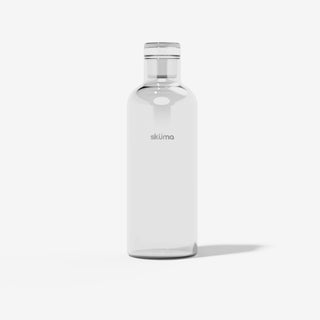
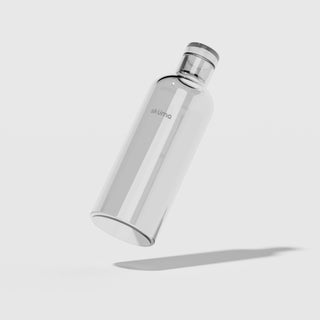
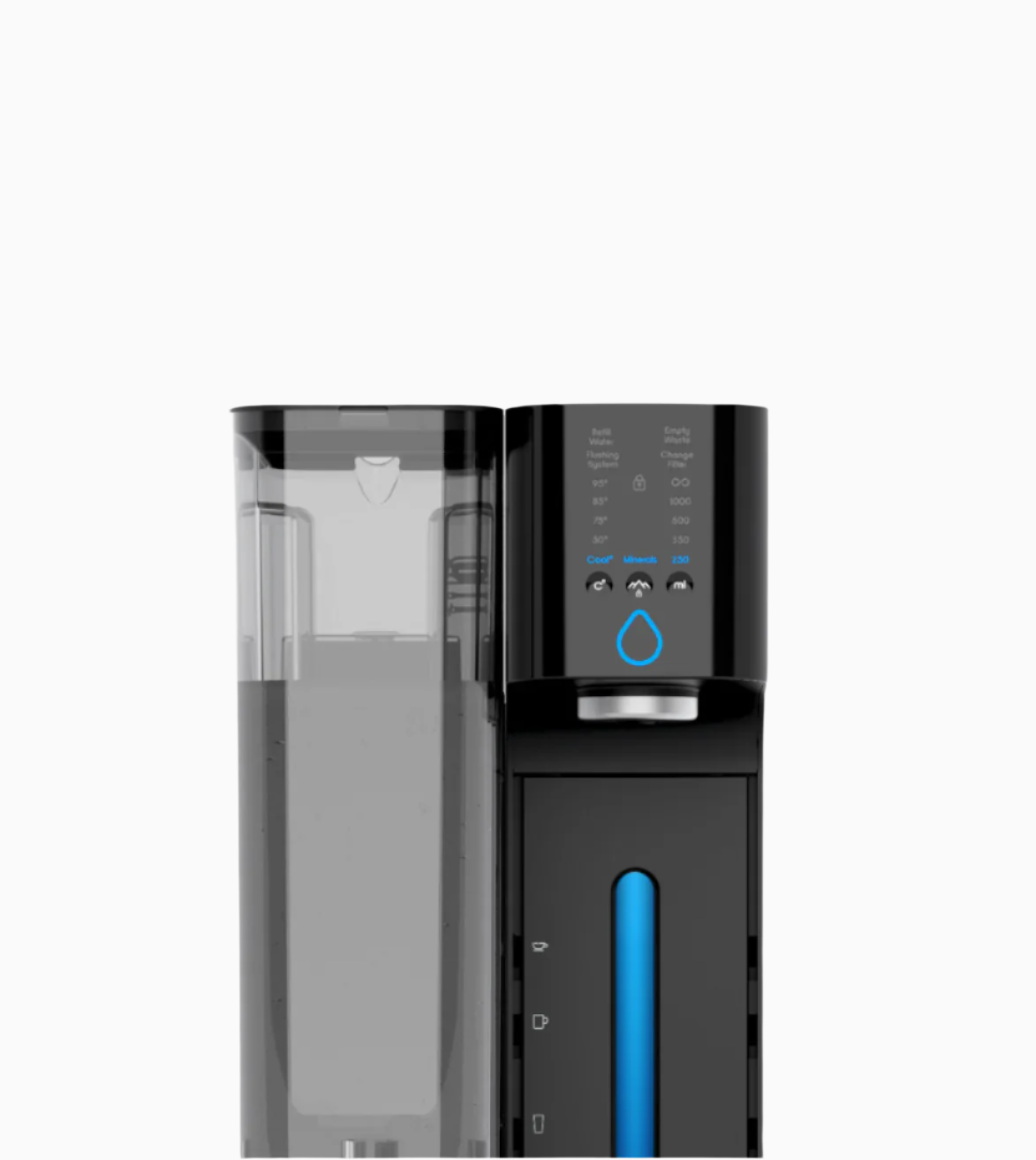
This is the foundation of the Sküma Water approach: advanced triple filtration that removes the vast majority of documented emerging contaminants, PFAS, microplastics, pharmaceutical residues, followed by controlled remineralisation to restore the mineral balance essential for physiologically coherent hydration.
This isn't about creating a new source of anxiety. It's about taking back control of a daily exposure that is, more often than not, invisible.
In closing
Modern toxicity is not what we imagine it to be. It doesn't arrive all at once. It accumulates molecule by molecule until the body's regulatory systems can no longer hold the balance.
Optimising your hydration is no longer just about drinking enough. It's about understanding what you're drinking and the cumulative impact that may have on your body over time.
Sources
-
Anses – National PFAS survey in drinking water, 2023–2025. anses.fr
-
WHO – Drinking water fact sheet, 2023. who.int
-
Zhang et al. – Systematic evidence map: PFAS, inflammation & immunosuppression. PMC, 2023. pmc.ncbi.nlm.nih.gov
-
PFAS & trained immunity. ScienceDirect, 2025. sciencedirect.com
-
Low-grade chronic inflammation. Physiology / APS, 2024. journals.physiology.org
-
INSERM – Microplastics & gut microbiome, 2022. inserm.fr
-
INRAE / Univ. Clermont Auvergne – Microplastics & microbiome, Journal of Hazardous Materials, 2025.
-
ARS Auvergne-Rhône-Alpes – PFAS monitoring in drinking water, 2025. ars.sante.fr
Co-written with a Functional Nutritional Therapy Practitioner. Verbatim quotes represent professional opinions and do not constitute medical claims.