


Before looking at filtration performance, it is useful to compare the two systems from a practical perspective: cost, installation, everyday use and features.
Berkey systems are stainless steel units that operate using gravity filtration. Depending on the model size, prices generally range from £365 - £460. They require no electrical connection: water is poured into the upper chamber and slowly passes through the filters before being collected in the lower reservoir.
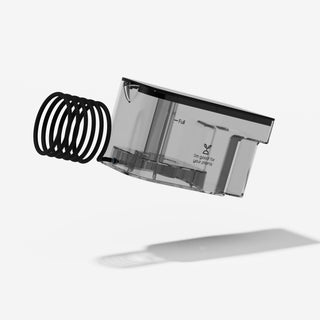
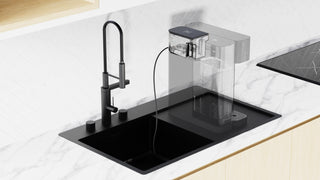
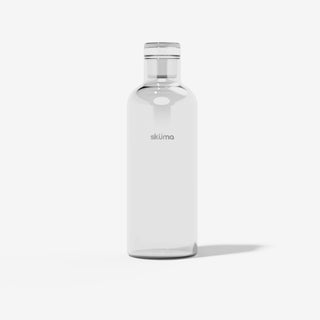
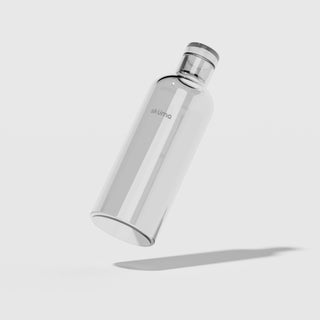
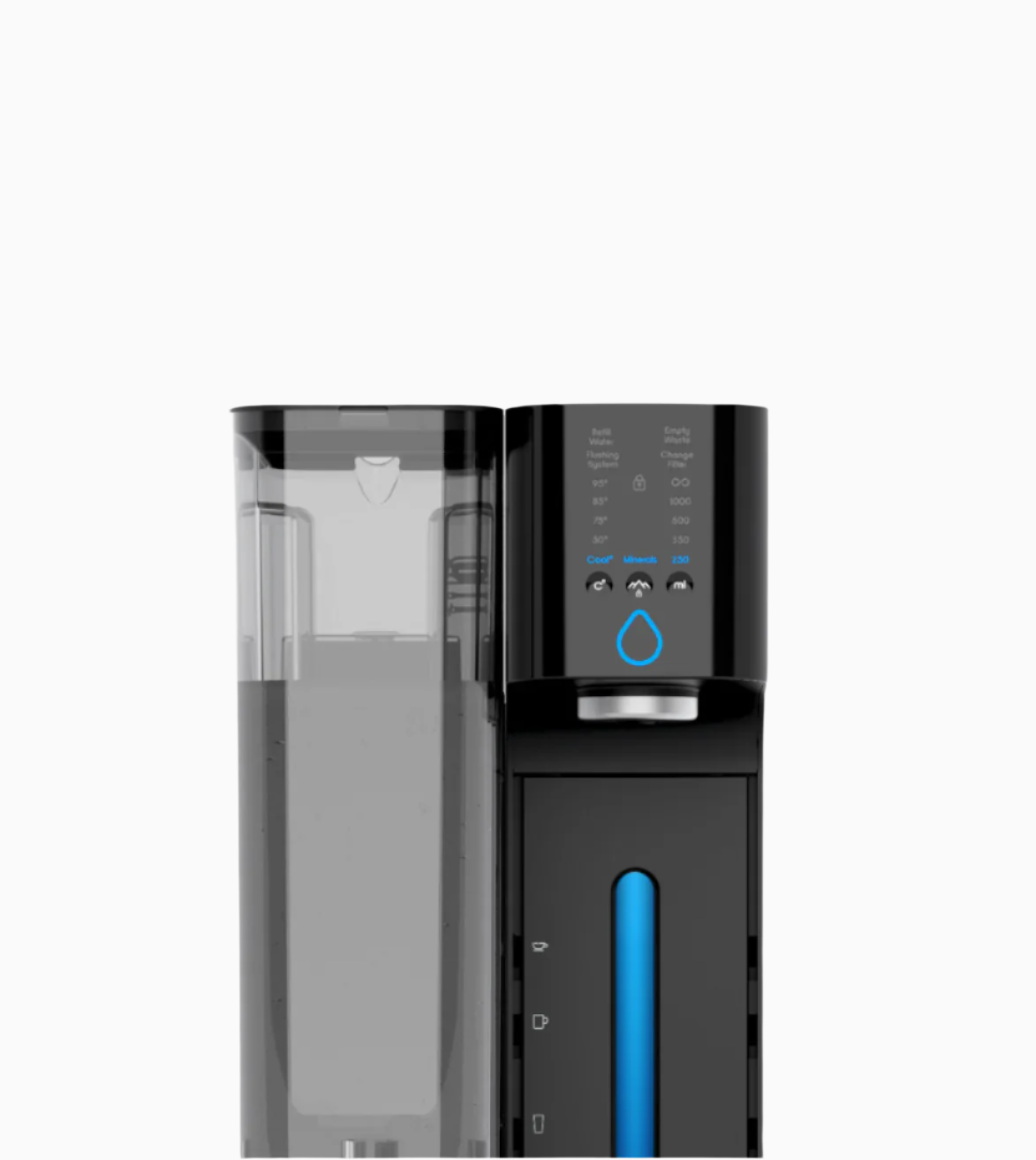
The Sküma Water MY Station starter pack is priced at £399 and includes a removable 4.8-litre tank, providing sufficient capacity for daily consumption. Users simply fill the reservoir and can obtain filtered water on demand, quickly and without constraints. Unlike gravity systems, the Sküma MY Station features a sleek, modern design and a touchscreen interface that allows users to control both the desired volume and the water temperature: ambient or hot at 50, 75, 85 or 92°C.
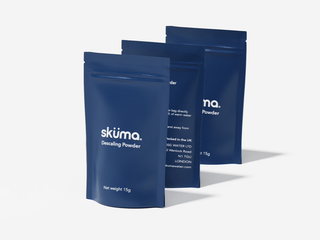
In terms of maintenance, Black Berkey filters are sold in pairs and typically cost approximatively £172.5 per filter, resulting in an annual cost of around £345. Replacement is generally recommended once a year depending on usage. With Sküma, the Super Filter costs £40 and also needs to be replaced approximately once a year. A descaling cycle every four months is recommended to ensure optimal performance and long-term durability of the system.
Finally, the user experience differs significantly. Gravity filters require regular refilling and frequent cleaning, whereas the Sküma MY Station operates in a semi-automated way with 1.5 litres of water available instantly. Users can also choose the desired temperature — cold, ambient or hot, at four levels (50, 75, 85 and 92 °C) — making it suitable for everyday hydration as well as preparing hot beverages.
Comparative Table
| Criteria | Berkey® | Sküma® Water |
| System Price | £365 - £460 | £399 including the system + one Super Filter + 3 MY™ Bases + a maintenance kit |
| Maintenance / filter cost | £172.5 per filter, sold in pairs, replacement once per year | Super Filter £40, replacement once per year, descaling recommended every 4 months |
| Capacity / Tank | 3.8 to 8.2 L | Removable 4.8 L tank |
| Installation / Use | Manual filing, water filtered slowly, no electricity required | Filtered water on demand, touchscreen, cold, ambiant or hot water |
| Design | Traditional stainless steel chamber | Sleek, modern design, touchscreen interface |
| Principle | Gravity filtration using activated carbon | Triple filtration: sediment pre-filtration + high-quality activated carbon filter + reverse osmosis membrane |
| Microplastics | Not documented | ~98.1% removed* |
| Total of 20 PFAS | Very partially filtered | 99.9% removed* |
| TFA | Not removed | ~61% removed* |
| Pesticides and Plant Protection Products | 54 tested, ~99% removed | 165 pesticides and metabolites tested, ~99.9% removed* |
| Drug residues | Not documented | Up to 99% removed* |
| Volatile Organic Compounds (VOCs) | Reduced below detectable limits | 99.9% removed* |
| Sulphates | Not documented | 99.9% removed* |
| Nitrates | Not documented | 92% removed* |
| Chlorides | ~99% | 99.9% removed* |
| Fluorides | Not without PF-2 filter | 99.9% removed* |
| Vinyl Chloride Monomer | Not documented | 99.9% removed* |
| Perchlorates | Not documented | 99.9% removed* |
| Total hardness | Not targeted | ~96%* |
| Chlorine total | >99% | >99%* |
| Result | Filtered water | Highly purified water before customised remineralisation |
*Certified by an independent French laboratory accredited by COFRAC
Two very different filtration technologies
The main difference between the two systems lies in their filtration technology.
Berkey filters rely solely on gravity-fed filtration using activated carbon. This technology helps improve the taste of water and reduce certain contaminants such as chlorine and some organic compounds. However, activated carbon mainly works through surface adsorption and does not effectively remove all dissolved contaminants. Nitrates, certain PFAS, pharmaceutical residues and microplastics can therefore still pass through this type of filter.
Gravity systems also operate without pressure, which limits their ability to capture the smallest molecules. These smaller contaminants generally require more advanced filtration technologies to be effectively removed.
Sküma Water MY Station: triple filtration for the highest level of water purification
Sküma Water is based on a scientific approach that combines three levels of filtration: sediment pre-filtration, a coconut shell activated carbon filter, and a reverse osmosis membrane.
The effectiveness of this triple filtration system has been certified by a French laboratory accredited by COFRAC, delivering purified reverse osmosis water that is ready to be remineralised according to individual needs. To learn more about the process, visit this page.
PFAS and TFA: the challenge of emerging water pollutants
PFAS, often referred to as “forever chemicals”, represent one of the major health challenges associated with drinking water today. While some activated carbon filters can partially reduce well-known PFAS such as PFOA or PFOS, they remain limited when faced with the diversity of this chemical family.
TFA (trifluoroacetic acid), which is widely present in European tap water, illustrates this challenge particularly well. A national campaign conducted in 2025 by the French Agency for Food, Environmental and Occupational Health & Safety (ANSES) found that 92% of tap water samples contained traces of TFA (read the article in Le Monde). Thanks to reverse osmosis, Sküma removes the 20 PFAS monitored by Regional Health Agencies (ARS) by more than 99%, and reduces TFA by around 61% — one of the most advanced performances currently achieved by a domestic water purification system.
Scientific validation and independent testing
Berkey is not certified under NSF/ANSI standards 42 and 53, although the manufacturer states that its filters have been tested according to protocols inspired by these standards by independent laboratories.
Sküma Water, on the other hand, has established an extensive list of 230 molecules commonly found in tap water, based in particular on reports from various Regional Health Agencies (ARS) and NSF recommendations. During testing, tap water was intentionally “spiked” with these different pollutant molecules before filtration in order to measure the reduction rate achieved by the Sküma Super Filter after filtration.
The results, verified by an independent French laboratory accredited by COFRAC, show contaminant removal rates of up to 99.99% and around 98% elimination of microplastics, providing a comprehensive and reliable level of water purification.
Beyond filtration: the importance of remineralisation for optimal hydration
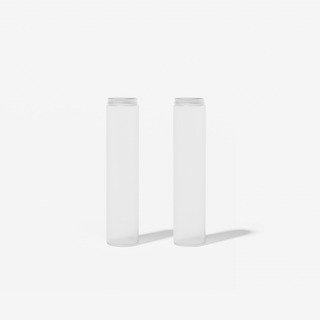
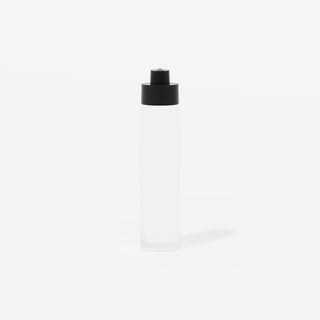
Gravity filters can partially improve the quality of tap water, but they do not allow precise control over its mineral composition. Sküma MY Station first purifies water in depth through reverse osmosis, and then remineralises it using the MY™ Bases mineral profiles:

-
Mineral Soft: For everyday hydration. A gentle and balanced profile. Ideal for the whole family.
-
Mineral Plus: A higher mineral concentration to optimize daily hydration.
-
Mineral Alkaline: Increases the pH of your tap water by 1 point. Helps neutralize acidity, supporting digestion and recovery.
This level of customisation ensures water that is purified, balanced and adapted to individual hydration needs.
Verdict: partial filtration or complete purification?
Gravity filters such as Berkey provide a popular solution for improving the taste of tap water and reducing certain contaminants. Their activated carbon technology can indeed filter out some of the substances present in tap water.
However, these systems show their limitations when faced with the evolving and variable quality of modern water supplies. With the emergence of new pollutants — including PFAS, pharmaceutical residues and microplastics — gravity filtration alone now provides a more limited level of protection and is less suited to today’s water purification challenges.
By combining pre-filtration, activated carbon and reverse osmosis, Sküma Water can remove up to 99.99% of tested contaminants while also allowing water to be remineralised according to individual needs. The result is deeply purified, balanced and controlled water that can adapt to variations in tap water quality.