


Hydration is often associated with the amount of water we drink each day. However, this view is incomplete. In reality, optimal hydration relies on a more complex balance between water, nutrition and minerals.
The human body, composed of around 60% water, depends on a constant intake to support essential functions such as thermoregulation, nutrient transport, waste elimination and cellular activity. Yet, drinking more does not necessarily mean hydrating better.
Today, the real challenge lies elsewhere: optimising hydration by improving the quality of fluid intake, its mineral composition and its bioavailability.
Nutrition: An Underestimated Driver of Hydration
Approximately 20 to 30% of our daily hydration comes from food. Certain foods therefore play a key role, not only due to their high water content but also their micronutrient profile.
Fresh fruits and vegetables are particularly effective:
-
cucumber, tomatoes, courgettes, watermelon → up to 90–96% water
-
citrus fruits, strawberries → high water content and vitamin C
-
leafy greens → hydration combined with essential minerals
Their benefits extend beyond water content. They also provide potassium, magnesium and fibre, all of which are essential for maintaining proper fluid balance.
Seasonal Eating to Support Hydration
Optimising hydration also involves adapting to seasonal needs:
-
Summer: tomatoes, cucumbers, melon, watermelon → direct hydration and cooling effect
-
Winter: vegetable soups, leeks, squash → indirect hydration and thermal comfort
-
Transitional seasons: citrus fruits, apples → hydration combined with immune support
The key principle is simple: eat for hydration, not just drink more water.
Electrolytes and Hydration: A Critical Balance
Water alone is not always sufficient to hydrate the body effectively. For proper absorption at a cellular level, it must be accompanied by essential minerals known as electrolytes.
The main electrolytes include:
-
Sodium: regulates fluid balance
-
Potassium: supports cellular function
-
Magnesium: contributes to muscle and nerve function
-
Calcium: plays a role in muscle contraction, nerve signalling and overall fluid balance
These electrolytes facilitate the transport of water into cells and improve fluid retention.
Today, many electrolyte drinks are available, but they are often imbalanced, particularly due to excessively high sodium levels.
A more advanced approach is to favour solutions with balanced and controlled electrolyte profiles, allowing hydration to be optimised without unnecessary overload.
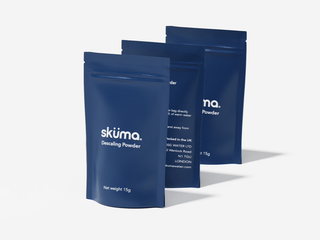
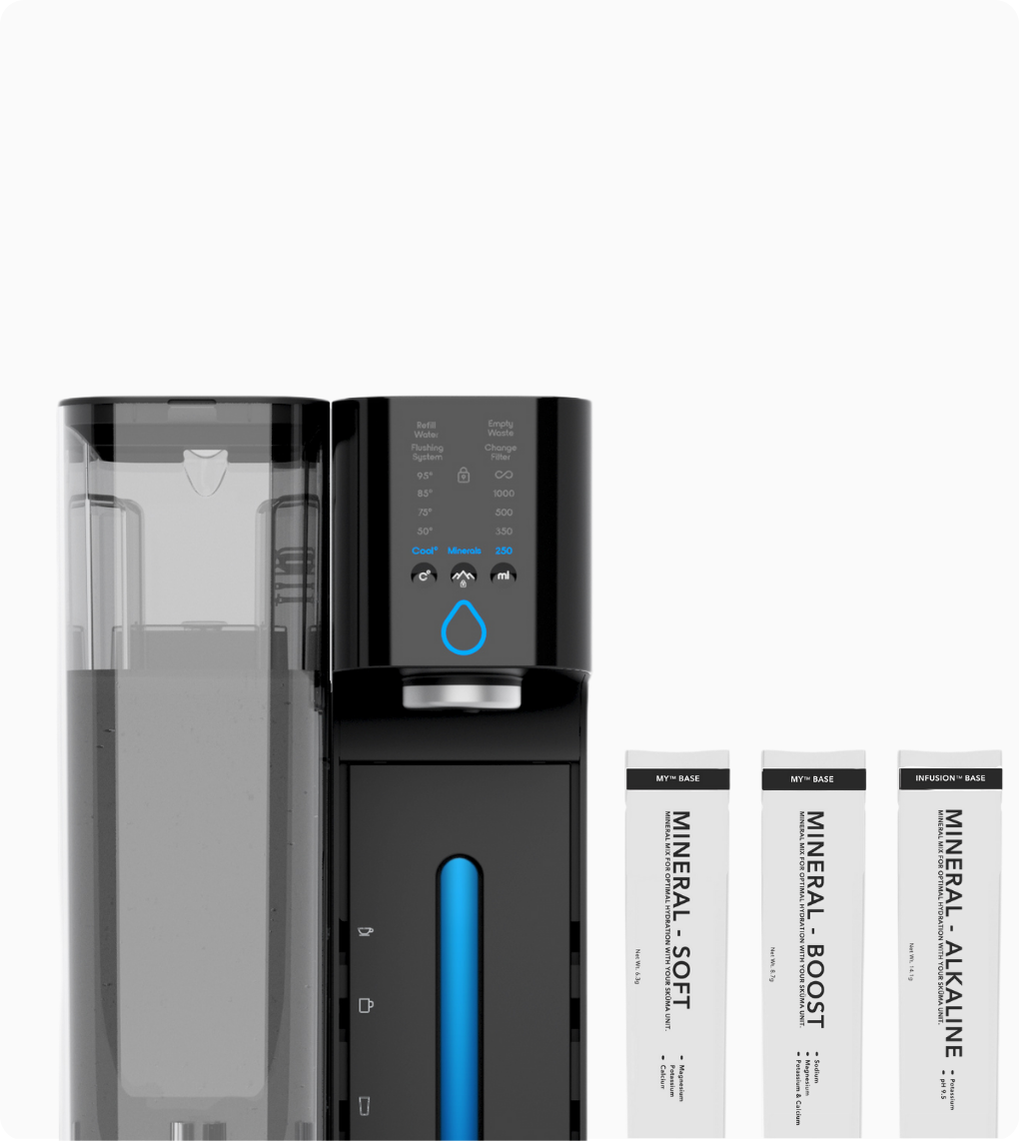
This is precisely the approach behind the Sküma HYDRATION.MELISSE™ booster, designed to enhance functional hydration while maintaining a well-balanced mineral profile.
Not All Drinks Hydrate Equally
Contrary to popular belief, most beverages contribute to hydration. However, their effectiveness varies significantly depending on their composition.
Most effective hydrating drinks
-
water (tap, filtered or mineral)
-
herbal teas and infusions
-
milk
Drinks to limit
-
coffee and tea (potentially diuretic in high amounts)
-
soft drinks (high in sugar)
-
energy drinks and sports drinks
-
alcohol (proven dehydrating effect)
Some beverages may create the impression of hydration, but can in fact disrupt fluid balance when consumed in excess, particularly due to their high sugar content, which provides no benefit to hydration and may even reduce its efficiency.
Water Quality: A Key Factor in Hydration
Optimising hydration is not only about quantity or sources, but also about the quality of the water consumed.
Tap water may contain traces of chlorine, heavy metals, pharmaceutical residues, pesticides, PFAS, microplastics and other substances originating from the environment or distribution systems.
This raises a fundamental question:
Can hydration truly be optimised with water whose composition is not fully controlled?
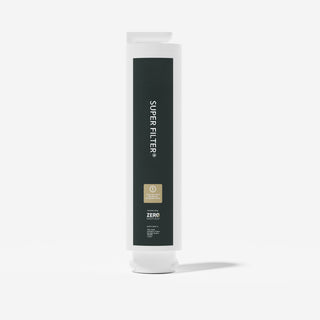
Purified water provides a clean baseline, allowing mineral content to be adjusted according to the body’s needs.
This approach, combining purification with targeted remineralisation, enables truly optimised hydration.
Daily Hydration: Simple and Effective Habits
Optimising hydration relies on a few key habits:
-
drinking regularly throughout the day, without waiting for thirst
-
incorporating water-rich foods into every meal
-
adjusting intake based on activity levels and temperature
-
prioritising purified water with balanced mineral content
-
supplementing with appropriate electrolytes when needed
Conclusion
Hydration is not limited to water intake alone. It is part of a broader approach that includes nutrition, beverages, electrolyte balance and water quality.
Today, optimising hydration means going beyond quantity:
It is about making better choices, not simply consuming more.
By combining a hydrating diet, purified water and controlled mineral intake, it is possible to achieve a more precise, effective and physiologically adapted level of hydration.